Exhaust vents play a vital role in maintaining indoor air quality. They help remove stale air, moisture, and pollutants, creating a healthier environment in your home. But are they enough to tackle all your air quality concerns? While they offer significant benefits, there are limitations to their effectiveness. Understanding how they work and how to use them properly can make a difference in your home’s air quality. Let’s explore what you need to know.
Key Takeaways
- Exhaust vents effectively remove stale air, moisture, and pollutants, improving indoor air quality. They help eliminate odors from cooking and pets, contributing to a fresher atmosphere. Properly functioning exhaust vents minimize the risk of mold growth and reduce allergens in the home. Regular maintenance of exhaust vents is essential for optimal performance and air quality benefits. Combining exhaust vents with other air quality measures enhances overall indoor health and comfort.
Understanding Exhaust Vents: How They Work
Exhaust vents play a crucial role in maintaining indoor air quality by removing stale air and pollutants from your living space. They work by drawing out air that’s been contaminated with moisture, odors, and harmful particles.
When you turn on an exhaust fan, it creates a negative pressure that pulls air from the room through the vent and outside. This process helps prevent the buildup of allergens, smoke, and other irritants, ensuring a healthier environment for you and those you care about.
Properly functioning exhaust vents are fundamental in areas like kitchens and bathrooms, where moisture and pollutants can accumulate quickly. By understanding how these vents operate, you can make informed decisions about your home’s air quality and enhance the well-being of everyone inside.
The Importance of Ventilation in Indoor Air Quality
While you mightn’t think about it often, proper ventilation is essential for maintaining good indoor air quality. When you guarantee that fresh air circulates throughout your home, you’re actively reducing indoor pollutants and allergens that can harm your family’s health.
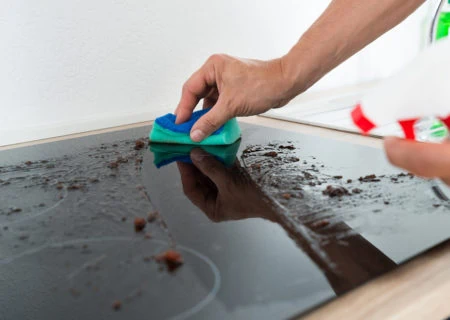
Stale air can trap moisture, leading to mold growth and respiratory issues. By prioritizing ventilation, you’re not just improving comfort; you’re also creating a safer environment for everyone.
Opening windows, using exhaust fans, and utilizing air purifiers can make a significant difference. Each step you take towards better airflow contributes to the well-being of those you care about.
Benefits of Using Exhaust Vents in Homes
When you install exhaust vents in your home, you’re taking an essential step toward enhancing air quality and comfort.
These vents effectively remove stale air, moisture, and pollutants, helping to create a healthier living environment for you and your loved ones. By facilitating proper ventilation, exhaust vents minimize the risk of mold growth and reduce allergens, promoting overall well-being.
They also help regulate humidity levels, making your home more comfortable during various seasons. Additionally, by eliminating odors from cooking or pets, you contribute to a fresher atmosphere.
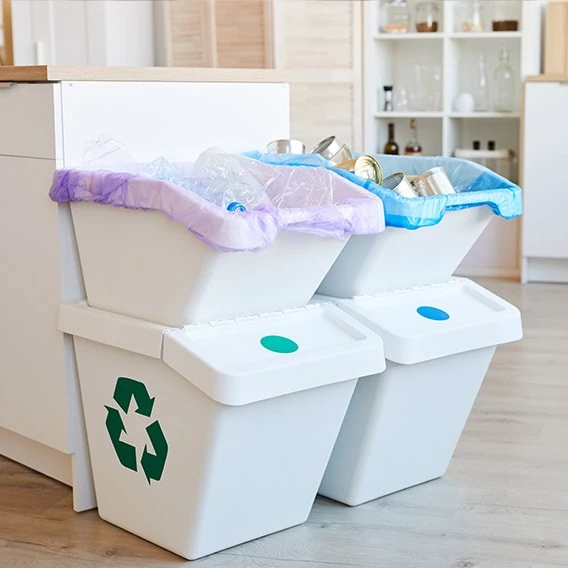
Ultimately, utilizing exhaust vents not only elevates your home’s air quality but also demonstrates your commitment to providing a safe and inviting space for everyone who enters.
Limitations of Exhaust Vents in Air Purification
Even with the many benefits of exhaust vents, they’ve limitations when it comes to air purification.
While they help remove indoor pollutants, they also pull in outdoor air that might contain allergens, dust, or other contaminants. This can sometimes lead to an imbalance in indoor air quality.
Exhaust vents also depend on proper installation and maintenance; if they’re blocked or malfunctioning, their effectiveness decreases considerably.
Additionally, they don’t filter out harmful particles like a dedicated air house cleaners purifier would. This means relying solely on exhaust vents won’t provide thorough air cleaning.
To truly serve your family’s health, it’s important to combine exhaust vents with other air quality measures for the best results.
Best Practices for Maximizing Air Quality With Exhaust Vents
To maximize air quality with exhaust vents, you should implement a few key best practices.
These simple steps can make a significant difference in the air you breathe, benefiting both you and those around you.
- Regularly clean and maintain vents to guarantee they’re working efficiently. Use exhaust fans during cooking or showering to eliminate moisture and odors. Keep windows open when possible to allow fresh air to circulate and replace stale air. Consider installing a timer on your exhaust fan, so it runs for a while after you leave the room.
Conclusion
So, do exhaust vents really clean the air in your home? While they play an essential role in removing stale air and pollutants, their effectiveness depends on proper maintenance and usage. If you neglect them, you might be inviting more problems than you solve. Imagine the relief of fresh air filling your space, but only if you take the right steps. Are you ready to guarantee your exhaust vents are working to their full potential? Don’t wait too long!